Conference Education on standardisation in Europe, 17 and 18 June 2024, Delft Netherlands
Conference
On 17 and 18 June 2024, Workstream 1 of the High-Level Forum (HLF) on European Standardisation of the European Commission organized the conference Education on standardisation in Europe.
Photos
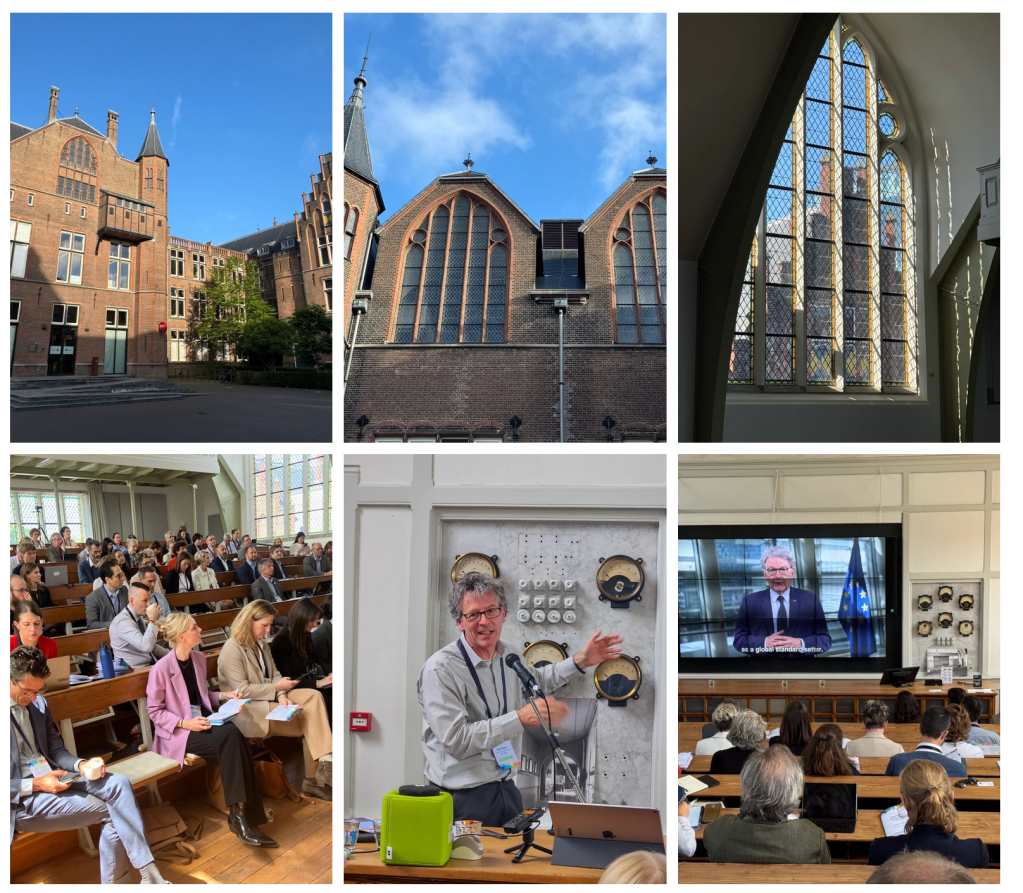
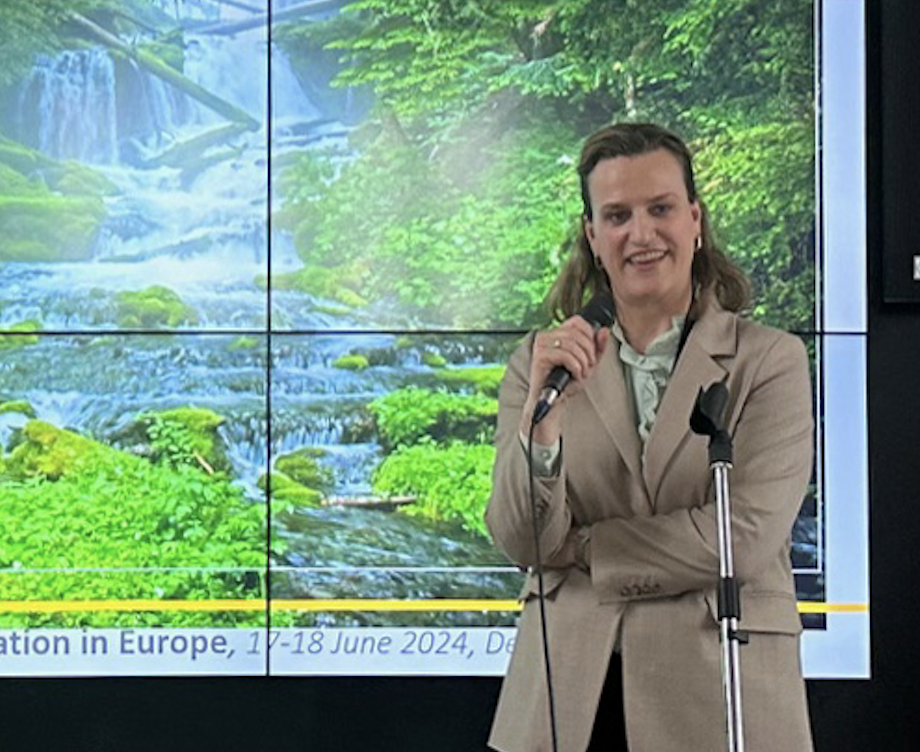
It was an inspiring time, in a neogothic, 125-year old location. We not only had in-depth sessions, but also networking events and informal meetings during beautiful Dutch summer weather. Enjoy a couple of pictures that captured the moments.
Pledges
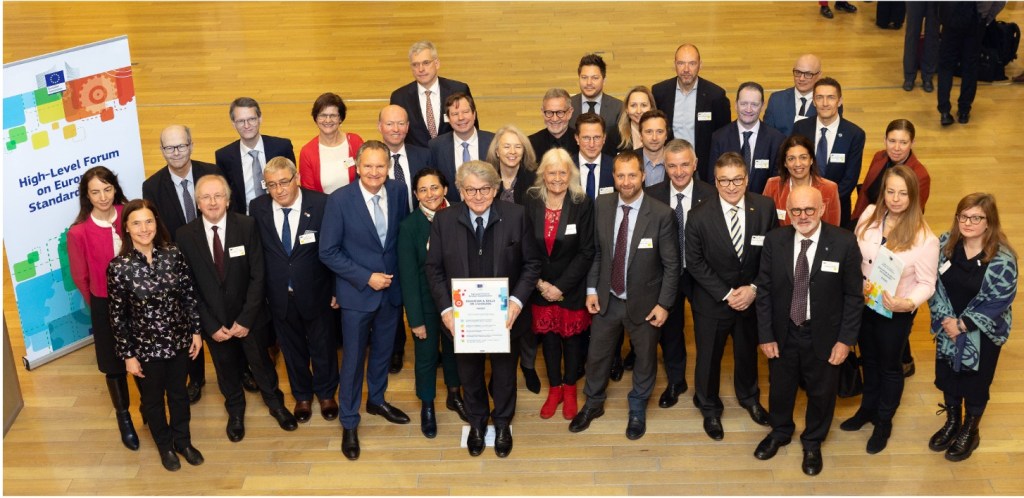
At the event, 18 members of the High-Level Forum (HLF) presented updates on the activities they are carrying out in the context of the pledges they made in November 2023
Sessions: videos and sheets
Session 1: Opening address: Perspectives on standardisation education from academia, industry, and standardisation bodies

The success of the European standardisation system rests on experts from industry, public administrations, civil society, research and academia to deliver on all the critical aspects of standards development. It is largely thanks to the investment of these stakeholders that the European standardisation system has been successful. Europe needs the best standardisation experts to pursue its global standard-setting ambitions to safeguard a digital, green and resilient single market.In this session, speakers shall share their strategic vision for establishing standardisation education and the practical implementation of this vision with the audience.
Parallel workshop 2A: A cross-European student certificate on standardisation
For a student, obtaining a certificate that he/she has fundamental knowledge of standardisation can be a valuable asset in addition to a regular diploma. In fact, in some EU countries, such certifications are already granted. The goals of the session are to (1) learn of the experiences of those who developed certificates for education on standardisation, (2) assess the desirability and feasibility of introducing certificates across EU countries, and (3) discuss steps forward. The session will start with some presentations on experiences and then turn into an interactive discussion focusing on goals 2 and 3 above.
Parallel workshop 2B: Incentives for teachers and students
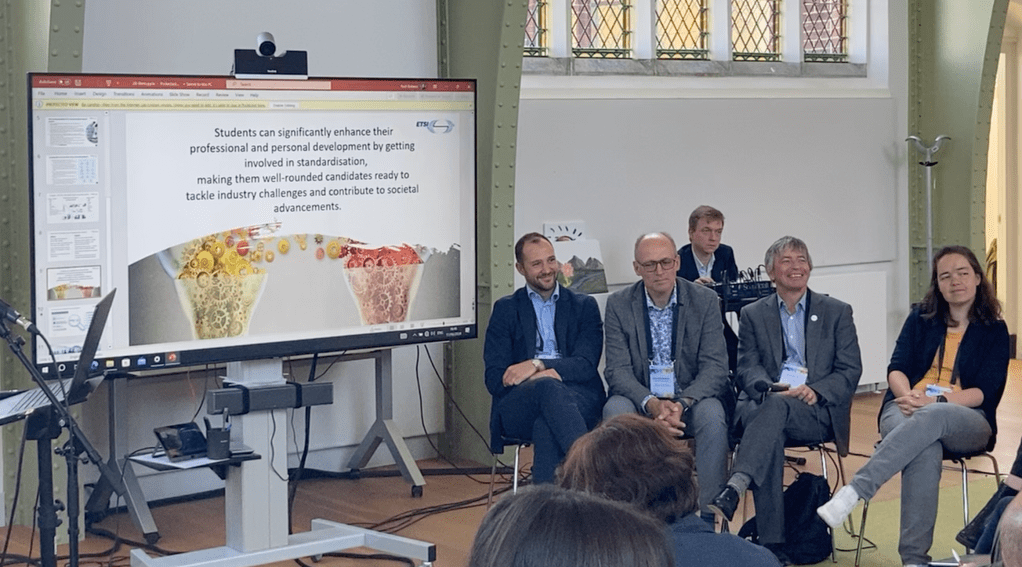
Standards cover a wide range of areas. They need technical or legal expertise (also referred to as “subject matter experts”) which is often embedded in existing curricula in a vague and implicit way. The strategic importance of standards requires more attention and promotion. Students do not often get the value of learning about standardisation until a later stage of their career. At the same time, the industry, public authorities, and societal stakeholders need experts to assist them in the standardisation process. Increasing the incentives for students and universities to engage in standardisation depends on market attractiveness and societal perspective on standardisation. In this session, representatives of the industry will share their experience in providing an exciting experience for their staff, trainees, or students in collaboration with universities for specific programs on standardisation.
Session 3: Fireside conversations: best practices of academia and national standardisation bodies (NSBs)
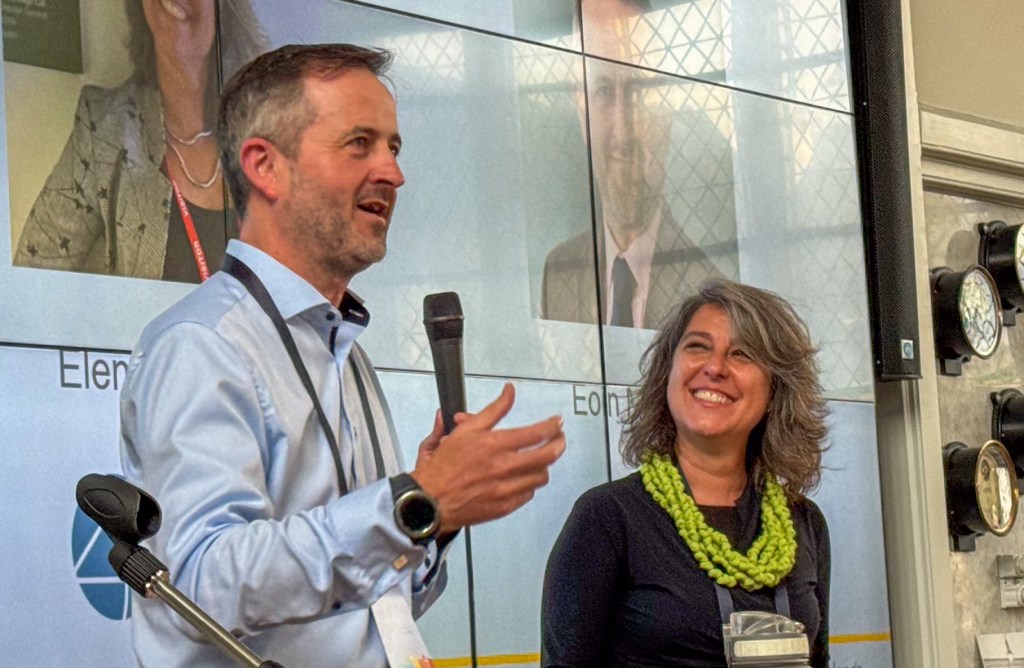
In this session, academia and national standardisation bodies (NSBs) share their most successful ventures in teaching standardisation and talk about their challenges and concerns. They will do so in an interactive formatby interviewing each other.
Parallel workshop 4C: Linking standardisation education to the Academies for Net-Zero Industry Act
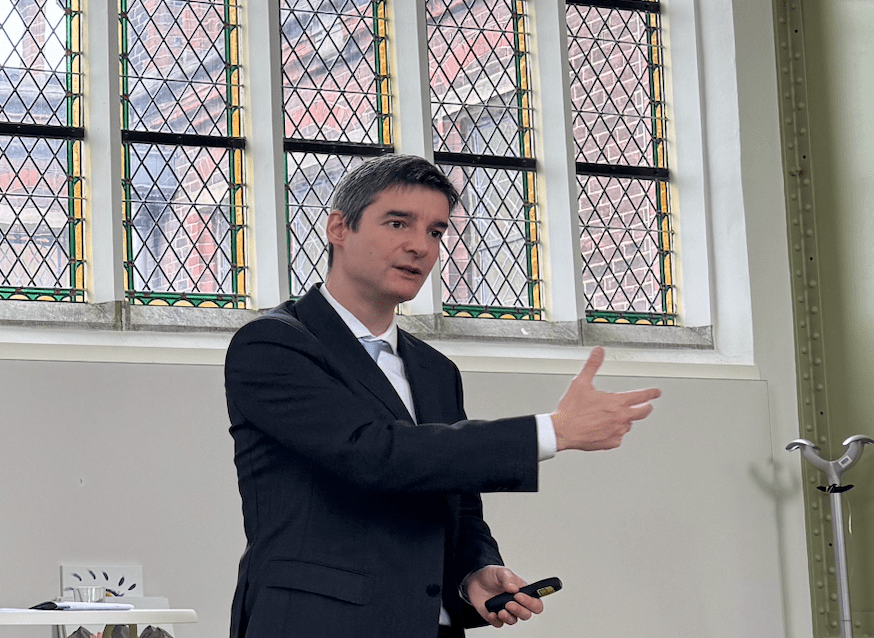
A potential model to strengthen knowledge about standards and the standardisation system could be the integration with actions and programmes of the ‘Net-Zero Industry Act’ (NZIA). This act is intended to strengthen European industry’s capacity building for clean energy technologies by reducing emissions and switching to CO2-free energy production in Europe. The guiding question of the workshop is ‘What is the approach of the NZIA-academies towards training and providing adequate skills in Europe – and what role can standards play?’ Further, we want to discuss how this approach can be transferred to future programmes or services on standardisation.
Parallel workshop 4D: SME perspectives on standards education: vocational training & life-long learning
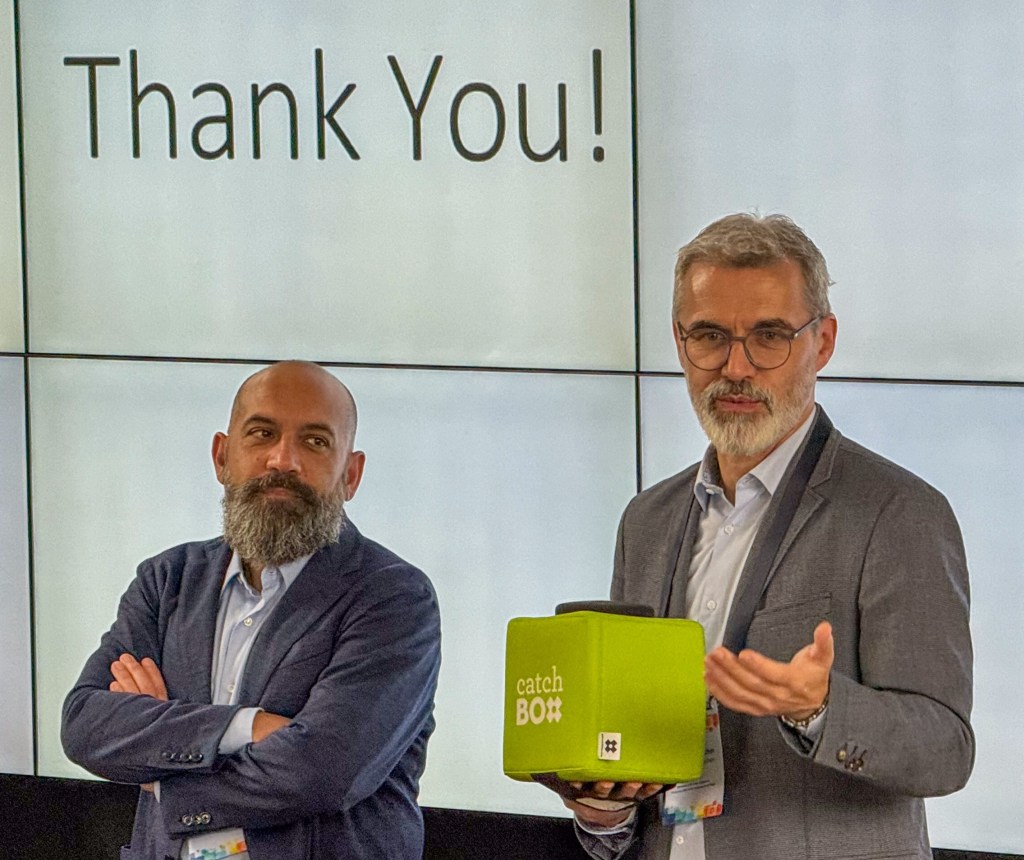
This workshop will focus on bridging the gap between SMEs and standardisation within vocational education and lifelong learning frameworks. Small and medium-sized enterprises (SMEs) often encounter obstacles in accessing relevant training tailored to their needs. This workshop will address these challenges by providing some examples and practical strategies for incorporating standards-related content into vocational training programs, ensuring that SMEs are equipped with the skills necessary to meet existing standards. Moreover, we will examine the role of lifelong learning in facilitating SME adaptation to evolving market demands and technological advancements.
Session 5: Serious games for standardisation education
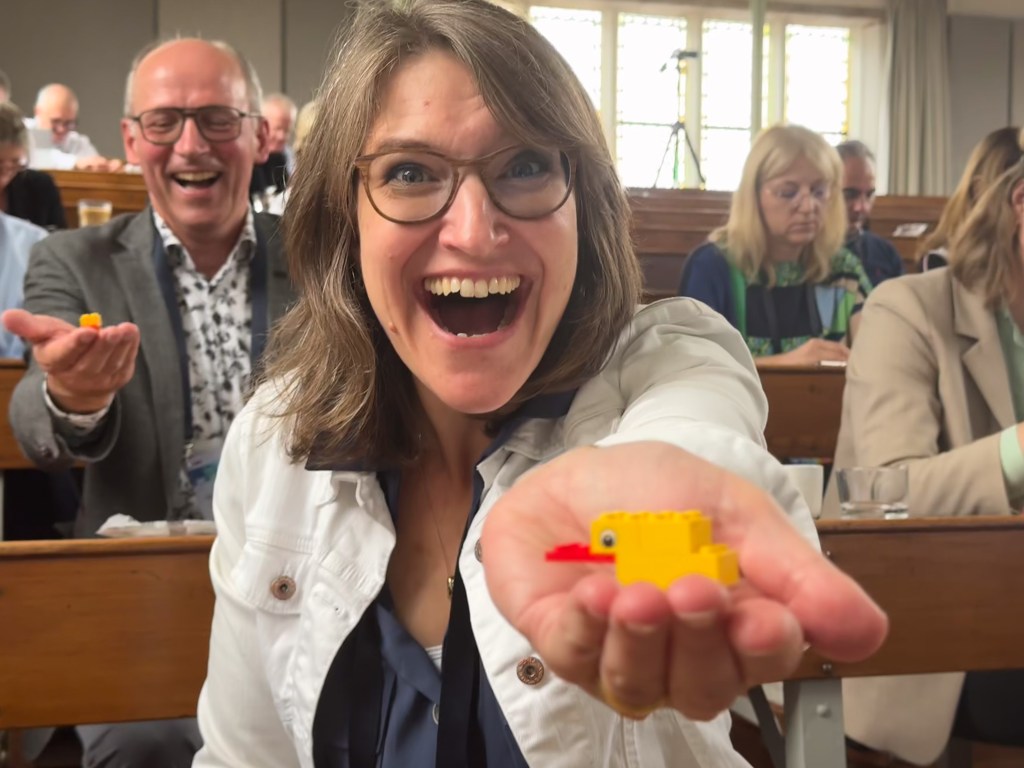
Serious games attempt to bridge the gap between education and the application of knowledge. By bringing together different subject areas, the player can have comprehensive, cross-thematic experiences. The learning effect is supported by the fun of the game.
Standardisation, on the other hand, is perceived as abstract, boring and dull – which, in reality, it is not. So, to bring the universe of standardisation closer to the learners and allow their own experience, many NSBs discovered the tool of Serious Games. This session gives an overview of the quite interesting range of Serious Games.
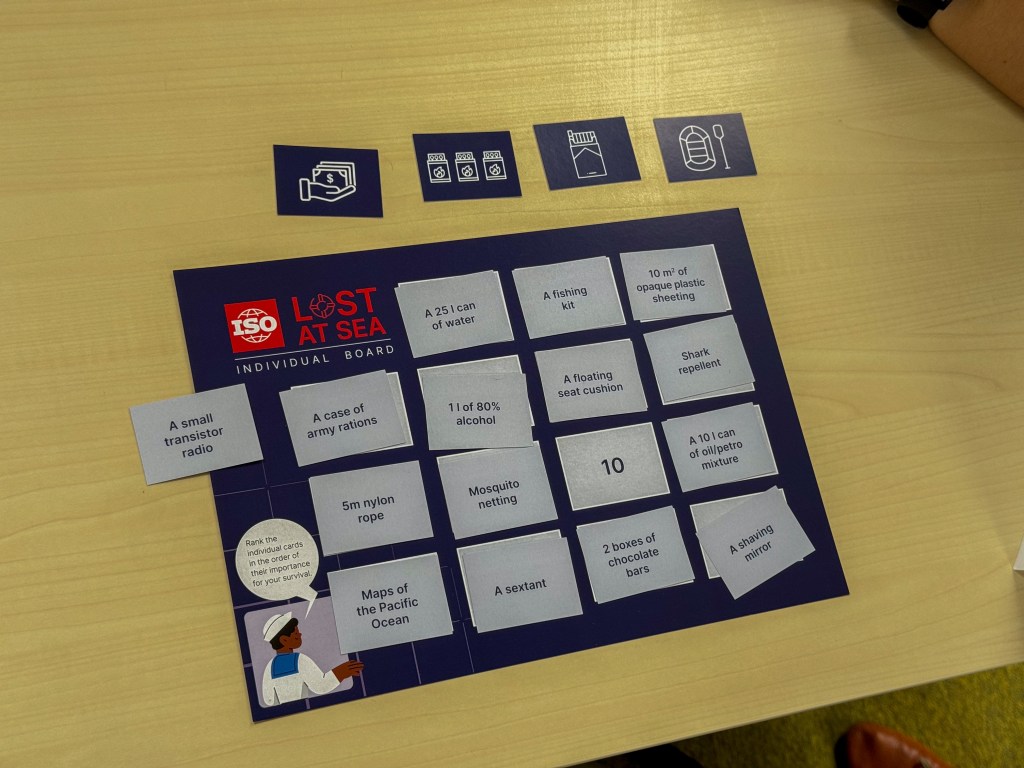
Session 6: Gameplay
Serious Games are meant to be played! Therefore, in this session, you will have the opportunity to actually play a selection of the games introduced in the previous session.
(There are no videos or slides on this session, but do check the pictures!)
Session 7: Parallel workshop reports & wrap-up
The closing session will provide a summary of the outcomes of the four workshops, highlighting key challenges and objectives covered in each session. This session aims to present solutions, provide closure, celebrate the work, and outline the next steps.
 Rudi Bekkers